

Remembering Rabbi Zvi Kogan, Two Years After His Murder
Friends recall the young emissary’s warmth and impact

This weekend, Jewish communities in the Land of Israel, the United Arab Emirates, and around the world will mark the second yahrzeit of Rabbi Zvi Kogan, the 28-year-old Chabad-Lubavitch emissary who was abducted and murdered by terrorists in Dubai on November 21, 2024. His yahrzeit, 20 Cheshvan, falls out this year on Shabbat, October 31.
Kogan arrived in the Emirates in 2020 and spent the next four years helping to establish and expand Jewish life in the Gulf state, with particular attention to the young Jewish community’s kosher infrastructure. He managed Dubai’s Rimon kosher supermarket, and with his wife, Rivky, ran classes and programs in Abu Dhabi and Dubai.
In the two years since his murder, projects begun in his memory have spread from the Gulf to Israel and the United States.
From Ramat Shlomo to the Gulf
Zvi Kogan was born on the 26th of Av, August 11, 1996, in the Ramat Shlomo neighborhood of Jerusalem. His family traces its lineage to Rabbi Yisrael Baal Shem Tov, founder of the Chassidic movement, and to Rabbi Shabtai Cohen, the famed 17th-century commentator on Jewish law known as the Shach.
At 20, he began traveling to assist Jewish communities abroad, teaching children at the Torat Chaim yeshivah in Moscow and in the Yad Israel institutions of the Karlin-Stolin Chassidic group in Pinsk, Belarus. Later, in Paphos, Cyprus, Kogan helped establish a Chabad center for Israeli tourists, with prayer services, Shabbat and holiday meals, classes, a restaurant and a kosher grocery, while in Odessa, Ukraine, he set up a booth at the airport where Jewish travelers could put on tefillin and find kosher food.
An Israeli citizen, Kogan enlisted in the Israel Defense Forces when he was 22. He was first assigned to logistics, then asked to transfer to a combat unit, and served in the Tomer battalion of the Givati Brigade.
After the signing of the Abraham Accords in 2020, Kogan moved to Dubai to work with Rabbi Levi Duchman, director of Chabad of the UAE. He helped build the country’s kosher system from its foundations, overseeing supervision and training for restaurants, hotels and food factories. He married Rivky Spielman in 2022, and together they settled in the UAE to serve the community.
Zechariah Daniel and his wife often brought their children to the Kogans’ Shabbat table. He remembers sitting with Kogan late one night after dinner, not long after the young rabbi had arrived. Kogan told him that he wanted the Jews of the Emirates to have everything they needed to live a kosher life.

‘Achi, That Was Crazy’
Fanny Cohen-Ruben and her family arrived in Abu Dhabi in September 2022, and met Kogan shortly thereafter. He introduced her to people who could help their business, and was a friendly face at every community event, prayer service and children’s program, and made ordering kosher food simple. The last time they spoke, he told her with some pride that he had sung the Sephardic selichot on Yom Kippur, though he was Ashkenazi.
“He just showed us as a model [of] how he behaves with generosity, kindness. We all wanted to be like him,” she later wrote. “His aim was to make you feel comfortable. His smile, his joy of life, his optimism and positivity will remain forever.”
Chaim Heber met Kogan in 2020, after both of them had joined the Chabad team in the UAE, and the two later shared an apartment. Heber remembers a man whose energy could change the mood of a room, and who would often say, in his Israeli accent, “Achi, that was crazy.”
When Heber moved back to the Emirates, Kogan met him at the airport, carried his luggage, arranged a car and took him on his first kosher shopping trip. The store’s non-Jewish staff called Kogan “Rabbi Steve.” He found time to affix mezuzahs, visit the sick and help customers put on tefillin.
“He was a holy, larger-than-life person whom I will never forget,” says Heber.
Hannah and Nick Beaton met him only a few times. New to the UAE, they shopped at Rimon every week, and once asked whether the store carried chopped liver, a dish they missed from home. Kogan offered to make some for them himself.
“He was so warm and welcoming. Like family,” she remembered.

Tefillin, Torah Scrolls and Mitzvot
Many of the projects dedicated to Kogan were inspired by the mitzvot he encouraged others to perform each day.
One program, Zvi’s Tefillin, began with Avi Batito, an Israeli real estate developer. Late in 2020, Kogan found Batito sitting alone in a Dubai hotel and helped him put on tefillin. This soon led to a warm friendship. Batito went on to fund tefillin kits for about 60 stations in Dubai, Abu Dhabi and Ras Al Khaimah, and more kits were sent to other stations in the Gulf that are home to small Jewish communities. Each bag is embroidered with the words “ZVI’S TEFILLIN” and carries an AirTag, so that it can be tracked as it passes from hand to hand. At the launch, 60 men put on tefillin together, and community members pledged and paid for another 50 pairs.
A separate gift of 18 pairs was donated in his memory, one of which will remain permanently at Rimon, the store where he worked and from which he was taken. In Israel, friends and admirers organized Thirty for Light, which is funding 30 new tefillin stands around the country and 30 pairs of tefillin for emissaries and volunteers.
The writing of a Torah scroll for the UAE began during the shiva at the Kogan family home, in the presence of Israeli President Isaac Herzog. The scroll was later dedicated in the room of the Rebbe, Rabbi Menachem M. Schneerson, of righteous memory, at 770 Eastern Parkway during the 2025 International Conference of Chabad-Lubavitch Emissaries. A second scroll was dedicated on Chanukah at the Scheiner family’s synagogue in Monsey, N.Y., and more than 850 friends and relatives have joined in sponsoring a Torah in his name.
A youth center in Kogan’s memory has opened in Miami, and a Tesla Cybertruck outfitted as a mitzvah mobile is planned to tour all 50 U.S. states. More than 40,000 mitzvahs, from lighting Shabbat candles to affixing mezuzahs and giving charity, have been pledged in his memory.
May the soul of Rabbi Zvi Hakohen ben Rabbi Alexander Sender Kogan be bound up in the bond of life.

4 Super-Powerful Moments From Pegisha
This past weekend, nearly 2,000 people, mostly college students from around the world, gathered in Crown Heights, the Brooklyn epicenter of Chabad life, for a Shabbat of learning, joy, discovery, inspiration, and camaraderie.
These four clips, posted on Chabad.org’s social media channels before and after Shabbat (all phones were tucked away for Shabbat of course), give you a glimpse into the amazing energy that carried through the weekend.
Tefillin on the Street
Early Friday morning, Kingston Avenue, the main drag of Jewish Crown Heights, was pulsating with life as students soaked in the Judaica shops, kosher eateries, synagogues, and of course, 770, the central Chabad synagogue and headquarters. This student took a moment to put on tefillin and say the Shema.
Unbridled Joy
When Shabbat drew to a close, the students gathered outside of the home of the Rebbe and the Rebbetzin for a soul-stirring Havdalah ceremony, followed by joyful dancing. The tune they are dancing to was especially beloved to the Rebbe, as it was the signature tune of his father, Rabbi Levi Yitzchak, a Torah scholar and kabbalist who put his life on the line to preserve Judaism in the Soviet Union.
“I Believe"
As the evening wound down, the mood turned inward. Here, the crowd joins together, shoulder to shoulder, to sing Ani Maamin, the classic expression of faith in the coming of Moshiach.
The Future Is Bright
A Campus Chabad House is a family affair, with the children forming an integral part of their parents’ work. In this conversation, we get a glimpse into the energy and positivity that makes Chabad Houses an oasis of Judaism on campuses all over the world.
8 Ways to ‘Live With the Times’ as the Torah Begins Anew
With Bereishit read this Shabbat, the yearly cycle starts from the first verse, and there’s a way in for every kind of learner

This Shabbat, Jews everywhere will read Bereishit, the first portion of the Torah. The annual cycle of daily Torah study has already begun, and for anyone who has thought about learning the Torah from start to finish, there won’t be a better week to start.
The idea of studying the weekly Torah portion goes back centuries, and early in his leadership, the Alter Rebbe, Rabbi Shneur Zalman of Liadi, the founder of Chabad-Lubavitch, taught that “one must live with the times.” His brother, Rabbi Yehudah Leib, explained what he meant: to live with the week’s Torah portion, and with the section assigned to that day.
Each weekly portion is divided into seven portions, one for each day. Learn a section a day, seven days a week, and you will have covered the entire Chumash, the Five Books of Moses, by next Simchat Torah. Many add a daily portion of Tehillim (Psalms) and Tanya as well, a study regimen known as Chitas, instituted by the Sixth Rebbe, Rabbi Yosef Yitzchak Schneerson, of righteous memory, and championed by the Rebbe, Rabbi Menachem M. Schneerson, of righteous memory, as a source of Divine blessings.
Whether you prefer to listen on a morning commute, read the text in Hebrew and English, or explore the Rebbe’s teachings on each week's portion, here are 8 ways to start.

1. Daily Study on Chabad.org
Tens of thousands of people turn to Chabad.org each day for their daily learning. With classes on Chumash, Tanya and Rambam (Maimonides) by several teachers that run concurrently as users follow the text, the Daily Study app is an invaluable resource for Torah Study.
The late master teacher Rabbi Yehoshua Binyamin (Josh) Gordon was a pioneer of teaching Chitas, and his humor, erudition and teaching ability have made his classes, recorded for posterity on Chabad.org, a household name for generations of Torah students worldwide, even a decade after his passing. The Daily Studies with Rabbi Gordon App is a go-to resource for the thousands of students who still learn with him every day, while Chabad.org podcasts, available everywhere, feature classes by him and other teachers updated daily.

Chabad.org also features a comprehensive Parsha Section, complete with the original text of the Torah, translations, summaries, in-depth insights from classical commentaries, and the teachings of the Rebbe. Contemporary essays, classes, and videos are also presented each week.
The Scroll is Chabad.org’s print newsletter for every Shabbat, when offline inspiration is needed. Packed with commentaries, stories, and teachings, it is a must for every home.

2. Selections From Likkutei Sichos
For in-depth study of the weekly Torah portion, Likkutei Sichos—the Rebbe’s 39-volume magnum opus containing his collected and edited talks from thousands of hours of teachings—is the essential resource. Originally published in Yiddish and Hebrew, ‘Selections in Likkutei Sichos’ was recently released by Sichos in English, bringing the Rebbe’s insights into clear, contemporary English alongside the original text.
3. Project Likkutei Sichos
Project Likkutei Sichos is a worldwide initiative to learn and complete the entire Likkutei Sichos within eight years, two talks at a time, each week tied to that week’s Torah portion. Classes are offered in English, Hebrew, Yiddish, Portuguese and Spanish, with downloadable texts, translations and summaries, plus live classes, podcasts and an app.
4. ‘Torah Studies’ by Rabbi Jonathan Sacks
Lord Rabbi Jonathan Sacks, the late Chief Rabbi of Great Britain, adapted a selection of the Rebbe’s talks on the weekly Torah readings and Jewish holidays into English. Published in 1996 and given a modern update in recent years by Kehot Publication Society, Torah Studies follows the order of the weekly Torah portion, with a short introduction to each chapter outlining the central question the Rebbe addresses as well as his answer. The full book can be read on Chabad.org.

5. Shabbat deLights
Published by Chabad.org, in collaboration with Ezra Press, an imprint of Kehot, Shabbat deLights is a collection of essays on the Torah portion by Chabad.org author, editor and podcaster, Chana Weisberg. For each Torah portion, Weisberg shares concise and impactful essays rooted in Biblical text and chasidic thought, providing practical, empowering tools for dealing with contemporary life’s most pressing challenges. The book is available here.
6. Daily Wisdom

Translated and adapted by Rabbi Moshe Wisnefsky and published by Chabad House Publications of California, Daily Wisdom summarizes each daily Torah reading and presents an original insight based on the Rebbe’s teachings for every day of the year. Daily Wisdom’s 378 daily lessons offer a accessible taste of the Rebbe’s profound teachings, filled with love for G‑d, Torah, and the Jewish people. The complete volume is available on Chabad.org.
7. ‘Studies in Rashi’
For more than 25 years, beginning in late 1964 after the passing of his mother, to whom he dedicated this initiative, the Rebbe regularly devoted part of his Shabbat addresses to a close reading and study of a single comment of Rashi on the weekly portion. Kehot’s Studies in Rashi, translated by Rabbi Y. Eliezer Danzinger, brings those talks to English readers in a bilingual Hebrew-English set.
8. For Hebrew Readers
For Hebrew readers, an additional wealth of the Rebbe’s teachings is available. Shulchan Shabbat offers a collection of adapted Sichot for each parsha, while Otzar Likkutei Sichos translates selected talks for each Torah portion into Hebrew. Additional volumes can be browsed and purchased on Kehot’s website.
First We Light, Then We Dance

The two days of the holiday of Shemini Atzeret/Simchat Torah (in Israel, only one day) constitute a major holiday (yom tov). Women and girls light holiday candles each evening, taking care not to light on Shabbat.
Here’s how:
Night One
On Shemini Atzeret eve (Fri, Oct. 2), light a “preexisting flame” which will be used to light candles again the following night.
Then, 18 minutes before sundown, light candles and say two blessings:
בָּרוּךְ אַתָּה אֲדֹנָי אֱלֹהֵינוּ מֶלֶךְ הָעוֹלָם אֲשֶׁר קִדְּשָׁנוּ בְּמִצְוֹתָיו וְצִוָּנוּ לְהַדְלִיק נֵר שֶׁל שַׁבָּת וְשֶׁל יוֹם טוֹב
Bah-rookh ah-tah ah-doh-noi eh-loh-hay-noo meh-lekh hah-oh-lahm, ah-shehr ki-deh-shah-noo beh-mitz-voh-tahv veh-tzee-vah-noo leh-hahd-lik nayr shehl Shah-baht veh-shel yohm tov.
Blessed are You, L-rd our G‑d, King of the universe, who has sanctified us with His commandments and has commanded us to kindle the Shabbat and Yom Tov light.
בָּרוּךְ אַתָּה אֲדֹנָי אֱלֹהֵינוּ מֶלֶךְ הָעוֹלָם שֶׁהֶחֱיָנוּ וְקִיְּמָנוּ וְהִגִּיעָנוּ לִזְּמַן הַזֶּה
Bah-rookh ah-tah ah-doh-noi eh-loh-hay-noo meh-lekh hah-oh-lahm sheh-heh-kheh-yah-noo veh-kee-mah-noo ve-hig-ee-yah-noo liz-mahn hah-zeh.
Blessed are You, L-rd our G‑d, King of the universe, who has granted us life, sustained us, and enabled us to reach this occasion.
Night Two
Candle-lighting and all meal prep for the second night must take place after Shabbat is completely over. So on On Simchat Torah eve (Sat, Oct. 3), after night has fallen, say:
בָּרוּךְ הַמַּבְדִּיל בֵּין קֹדֶשׁ לְקֹדֶשׁ
Bah-rookh hah-mahv-deel bayn koh-desh li-koh-desh
Blessed is the One who separates between (the) holiness (of Shabbat) and (the) holiness (of the holiday).
Then prepare and light your candles (from your pre-existing flame), and say:
בָּרוּךְ אַתָּה אֲדֹנָי אֱלֹהֵינוּ מֶלֶךְ הָעוֹלָם אֲשֶׁר קִדְּשָׁנוּ בְּמִצְוֹתָיו וְצִוָּנוּ לְהַדְלִיק נֵר שֶׁל יוֹם טוֹב
Bah-rookh ah-tah ah-doh-noi eh-loh-hay-noo meh-lekh hah-oh-lahm, ah-shehr ki-deh-shah-noo beh-mitz-voh-tahv veh-tzee-vah-noo leh-hahd-lik nayr shel yohm tov.
Blessed are You, L-rd our G‑d, King of the universe, who has sanctified us with His commandments and has commanded us to kindle the Yom Tov light.
בָּרוּךְ אַתָּה אֲדֹנָי אֱלֹהֵינוּ מֶלֶךְ הָעוֹלָם שֶׁהֶחֱיָנוּ וְקִיְּמָנוּ וְהִגִּיעָנוּ לִזְּמַן הַזֶּה
Bah-rookh ah-tah ah-doh-noi eh-loh-hay-noo meh-lekh hah-oh-lahm sheh-heh-kheh-yah-noo veh-kee-mah-noo ve-hig-ee-yah-noo liz-mahn hah-zeh.
Blessed are You, L-rd our G‑d, King of the universe, who has granted us life, sustained us, and enabled us to reach this occasion.
For local candle-lighting times: Chabad.org/candles
It’s the Final Hurrah
Simchat Torah is the grand finale of a season that began with the solemn repentance of Rosh Hashanah and Yom Kippur and then transitioned into the joy of Sukkot and Simchat Torah. The sages compare this final day to the following analogy: A king threw a grand feast for seven days. All citizens of the kingdom were invited for the seven days of partying. He then told his loved ones: We have fulfilled our duty to the citizenry. Now let me and you continue with what remains.
This is our final party with G‑d before we enter the year ahead, supercharged and inspired by the holiday.
Chag Sameach!
Under the Stars, We Light

The first two days (one day in Israel) of Sukkot are classified as yom tov.
Women and girls light holiday candles in the sukkah each evening, taking care not to light on Shabbat. (If it is rainy or windy in the sukkah, and you cannot protect the candles from the elements, or if they pose a fire hazard in the sukkah, they may be lit indoors.)
Here’s how:
Night One
On the first night of Sukkot (Fri, Sept. 25), light a “pre-existing flame” which will be used to light candles again the following night. See: What Is a Pre-Existing Flame?
Then, 18 minutes before sundown, light candles and say two blessings:
בָּרוּךְ אַתָּה אֲדֹנָי אֱלֹהֵינוּ מֶלֶךְ הָעוֹלָם אֲשֶׁר קִדְּשָׁנוּ בְּמִצְוֹתָיו וְצִוָּנוּ לְהַדְלִיק נֵר שֶׁל שַׁבָּת וְשֶׁל יוֹם טוֹב
Bah-rookh ah-tah ah-doh-noi eh-loh-hay-noo meh-lekh hah-oh-lahm, ah-shehr ki-deh-shah-noo beh-mitz-voh-tahv veh-tzee-vah-noo leh-hahd-lik nayr shehl Shah-baht veh-shel yohm tov.
Blessed are You, L-rd our G‑d, King of the universe, who has sanctified us with His commandments and has commanded us to kindle the Shabbat and Yom Tov light.
בָּרוּךְ אַתָּה אֲדֹנָי אֱלֹהֵינוּ מֶלֶךְ הָעוֹלָם שֶׁהֶחֱיָנוּ וְקִיְּמָנוּ וְהִגִּיעָנוּ לִזְּמַן הַזֶּה
Bah-rookh ah-tah ah-doh-noi eh-loh-hay-noo meh-lekh hah-oh-lahm sheh-heh-kheh-yah-noo veh-kee-mah-noo ve-hig-ee-yah-noo liz-mahn hah-zeh.
Blessed are You, L-rd our G‑d, King of the universe, who has granted us life, sustained us, and enabled us to reach this occasion.
Night Two
Since we may not prepare on one day of a holiday for the following day, candle-lighting and all meal prep for the second night must take place after the first day is completely over. So on the second night of Sukkot (Sat, Sept. 26), after night has fallen, say:
בָּרוּךְ הַמַּבְדִּיל בֵּין קֹדֶשׁ לְקֹדֶשׁ
Bah-rookh hah-mahv-deel bayn koh-desh li-koh-desh
Blessed is the One who separates between (the) holiness (of Shabbat) and (the) holiness (of the holiday).
Then prepare and light your candles (from your pre-existing flame), and say:
בָּרוּךְ אַתָּה אֲדֹנָי אֱלֹהֵינוּ מֶלֶךְ הָעוֹלָם אֲשֶׁר קִדְּשָׁנוּ בְּמִצְוֹתָיו וְצִוָּנוּ לְהַדְלִיק נֵר שֶׁל יוֹם טוֹב
Bah-rookh ah-tah ah-doh-noi eh-loh-hay-noo meh-lekh hah-oh-lahm, ah-shehr ki-deh-shah-noo beh-mitz-voh-tahv veh-tzee-vah-noo leh-hahd-lik nayr shel yohm tov.
Blessed are You, L-rd our G‑d, King of the universe, who has sanctified us with His commandments and has commanded us to kindle the Yom Tov light.
בָּרוּךְ אַתָּה אֲדֹנָי אֱלֹהֵינוּ מֶלֶךְ הָעוֹלָם שֶׁהֶחֱיָנוּ וְקִיְּמָנוּ וְהִגִּיעָנוּ לִזְּמַן הַזֶּה
Bah-rookh ah-tah ah-doh-noi eh-loh-hay-noo meh-lekh hah-oh-lahm sheh-heh-kheh-yah-noo veh-kee-mah-noo ve-hig-ee-yah-noo liz-mahn hah-zeh.
Blessed are You, L-rd our G‑d, King of the universe, who has granted us life, sustained us, and enabled us to reach this occasion.
For local candle-lighting times: Chabad.org/candles
Enter the Divine Embrace
The sukkah is a Divine embrace—the only mitzvah we do with our entire body. When you sit inside a sukkah on Sukkot, those walls and that ceiling—that’s G‑d hugging you. Those branches up there—for these eight days, those are holy branches, an intense love from the highest heaven shining down on you. You need only to sit there, doing whatever you need to do, and you are enveloped in a mitzvah.
Chag Sameach!
Enter the Holiest Day With Light

As with every major Jewish holiday, women and girls light candles on the eve of Yom Kippur
Here’s how:
On Yom Kippur eve (Sunday, Sept. 20), light a “pre-existing flame” which will be used for Havdalah the following night. See: What Is a Pre-Existing Flame?
Then, 18 minutes before sundown, light candles and say two blessings:
בָּרוּךְ אַתָּה אֲדֹנָי אֱלֹהֵינוּ מֶלֶךְ הָעוֹלָם אֲשֶׁר קִדְּשָׁנוּ בְּמִצְוֹתָיו וְצִוָּנוּ לְהַדְלִיק נֵר שֶׁל יוֹם הַכִּפֻּרִים
Bah-rookh ah-tah ah-doh-noi eh-loh-hay-noo meh-lekh hah-oh-lahm ah-sher ki-deh-shah-noo beh-mitz-voh-tahv veh-tzee-vah-noo leh-hahd-lik nehr nayr shel yohm hah-ki-poo-rim.
Blessed are You, L-rd our G‑d, King of the universe, who has sanctified us with His commandments and has commanded us to light the candle of Yom Kippur.
בָּרוּךְ אַתָּה אֲדֹנָי אֱלֹהֵינוּ מֶלֶךְ הָעוֹלָם שֶׁהֶחֱיָנוּ וְקִיְּמָנוּ וְהִגִּיעָנוּ לִזְּמַן הַזֶּה
Bah-rookh ah-tah ah-doh-noi eh-loh-hay-noo meh-lekh hah-oh-lahm sheh-heh-kheh-yah-noo veh-kee-mah-noo ve-hig-ee-yah-noo liz-mahn hah-zeh.
Blessed are You, L-rd our G‑d, King of the universe, who has granted us life, sustained us, and enabled us to reach this occasion.
For local candle-lighting times: Chabad.org/candles
NOTE: If you intend to drive to synagogue for the Kol Nidrei prayers, have in mind while lighting the candles that you are not yet accepting upon yourself the sanctity of the holiday. Then head off to synagogue to arrive well before sunset.
Tune in to the Joy
Although Yom Kippur is the most solemn day of the year, it is suffused with an undercurrent of joy; it is the joy of being immersed in the spirituality of the day and expresses confidence that G‑d will accept our repentance, forgive our sins, and seal our verdict for a year of life, health and happiness.
Wishing you an easy and meaningful fast. Gemar Chatimah Tovah!
The Most Accurate Online English Rambam Yet Is Here!
The English-speaking world of Torah scholars is in for a treat.
Nearly 20 years ago, in 2009, Chabad.org digitized and published the English edition of the Rambam’s Mishneh Torah, translated and elucidated by Rabbi Eliyahu Touger and graciously made possible by our partners at Moznaim.
Publishing the Rambam online proved challenging in that era. The original online publication was not complete. Due to the process of conversion from print to digital, it contained some errors, and swaths of the extensive notes and explanations were missing. It included some, but not all, of Rabbi Touger’s thousands of extensive notes and commentary.
We are pleased to announce that, in partnership with Chayenu, working together to enhance your daily study experience, we’ve digitized the remaining notes and published them online for your benefit.
Maimonides was famously concise when he composed his 14-volume compendium, which encompasses the entirety of Talmudic and Midrashic law. The notes thus provide readers with crucial background and context, as well as scholarship and commentary from subsequent Torah sages. Having them all online means that a text that was sometimes too cryptic to be understood has now been exposed in all its original glory for the English student.
This project employed multiple rounds of AI-powered review, coupled with our team combing the text for errors, inconsistencies, and other idiosyncrasies. In all, over eight thousand minor and major fixes were implemented, each of which contributed to our effort to make the text as accurate, readable, consistent, and reliable as possible.
Begin the Year With Light!

As with every major Jewish holiday, women and girls light candles on each evening of Rosh Hashanah.
Here’s how:
Night One
On the first night of Rosh Hashanah (Sept. 11), light a “pre-existing flame” which will be used to light candles again the following night. See: What Is a Pre-Existing Flame?
Then, 18 minutes before sundown, light candles and say two blessings:
בָּרוּךְ אַתָּה אֲדֹנָי אֱלֹהֵינוּ מֶלֶךְ הָעוֹלָם אֲשֶׁר קִדְּשָׁנוּ בְּמִצְוֹתָיו וְצִוָּנוּ לְהַדְלִיק נֵר שֶל שַׁבָּת וְשֶׁל יוֹם הַזִּכָּרוֹן
Bah-rookh ah-tah ah-doh-noi eh-loh-hay-noo meh-lekh hah-oh-lahm, ah-shehr ki-deh-shah-noo beh-mitz-voh-tahv veh-tzee-vah-noo leh-hahd-lik nayr shehl Shah-baht veh-shel yohm hah-zee-kah-rohn.
Blessed are You, L-rd our G‑d, King of the universe, who has sanctified us with His commandments and has commanded us to light the candle of the Shabbat and of the Day of Remembrance.
בָּרוּךְ אַתָּה אֲדֹנָי אֱלֹהֵינוּ מֶלֶךְ הָעוֹלָם שֶׁהֶחֱיָנוּ וְקִיְּמָנוּ וְהִגִּיעָנוּ לִזְּמַן הַזֶּה
Bah-rookh ah-tah ah-doh-noi eh-loh-hay-noo meh-lekh hah-oh-lahm sheh-heh-kheh-yah-noo veh-kee-mah-noo ve-hig-ee-yah-noo liz-mahn hah-zeh.
Blessed are You, L-rd our G‑d, King of the universe, who has granted us life, sustained us, and enabled us to reach this occasion.
Night Two
Since we may not prepare on one day of Rosh Hashanah for the following day, candle-lighting and all meal prep for night the second night must take place after the first day is completely over. So on the second night of Rosh Hashanah (Sept. 12), after night has fallen, say:
בָּרוּךְ הַמַּבְדִּיל בֵּין קֹדֶשׁ לְקֹדֶשׁ
Bah-rookh hah-mahv-deel bayn koh-desh li-koh-desh
Blessed is the One who separates between (the) holiness (of Shabbat) and (the) holiness (of the holiday).
Then place your new fruit within eyesight of the table, prepare and light your candles (from your pre-existing flame), and say:
בָּרוּךְ אַתָּה אֲדֹנָי אֱלֹהֵינוּ מֶלֶךְ הָעוֹלָם אֲשֶׁר קִדְּשָׁנוּ בְּמִצְוֹתָיו וְצִוָּנוּ לְהַדְלִיק נֵר שֶׁל יוֹם הַזִּכָּרוֹן
Bah-rookh ah-tah ah-doh-noi eh-loh-hay-noo meh-lekh hah-oh-lahm, ah-shehr ki-deh-shah-noo beh-mitz-voh-tahv veh-tzee-vah-noo leh-hahd-lik nayr shehl yohm hah-zee-kah-rohn.
Blessed are You, L-rd our G‑d, King of the universe, who has sanctified us with His commandments and has commanded us to light the candle of the Day of Remembrance.
בָּרוּךְ אַתָּה אֲדֹנָי אֱלֹהֵינוּ מֶלֶךְ הָעוֹלָם שֶׁהֶחֱיָנוּ וְקִיְּמָנוּ וְהִגִּיעָנוּ לִזְּמַן הַזֶּה
Bah-rookh ah-tah ah-doh-noi eh-loh-hay-noo meh-lekh hah-oh-lahm sheh-heh-kheh-yah-noo veh-kee-mah-noo ve-hig-ee-yah-noo liz-mahn hah-zeh.
Blessed are You, L-rd our G‑d, King of the universe, who has granted us life, sustained us, and enabled us to reach this occasion.
For local candle-lighting times: Chabad.org/candles
You Are Entering a Shabbat Year!
Since Rosh Hashanah is the “head of the year,” and the head literally directs the entire body, it follows that this entire year has a Shabbat theme. Back in 1972, just before the Jewish year of 5733, which also began on Shabbat, the Rebbe explained this to mean that everything we do throughout the year is to be elevated and sacred. Just like Shabbat affords us more time to study Torah and focus on spiritual matters, this entire year enjoins us to bring the Shabbat spirit into everything we do.
Wishing you a sweet, new, Shabbat-filled year. Shanah tovah!
We Saved a Seat for You

Somewhere at a Chabad center near you, there is a chair. And it is yours. So come claim it this High Holiday season.
Every Chabad center is a bit different, but there are some things you can come to expect: a welcoming rabbi, fellow Jews from a wide range of backgrounds, heartfelt prayers, and a holiday experience to get your Jewish year rolling in the right direction.
Don’t know Hebrew? No problem; most of our centers offer bilingual prayer books.
You don’t know anybody? That’s OK; the natives are friendly.
Worried that you don’t have membership? Most Chabad communities don’t have membership. If you’re a Member of the Tribe, you’re a member of Chabad.
So head over to Chabad.org/Centers and claim your seat this season.
Your Friends at Chabad
PS: Rosh Hashanah begins on Sept. 11 before Sundown and runs through Sept. 13 in the evening. Yom Kippur starts before Sundown on Sept. 20 and ends the following nightfall. The most important time to show up is Sunday, the second day of Rosh Hashanah, when we’ll be blowing the shofar. Be there!
Hebrew-English Selichot Now Available Online!
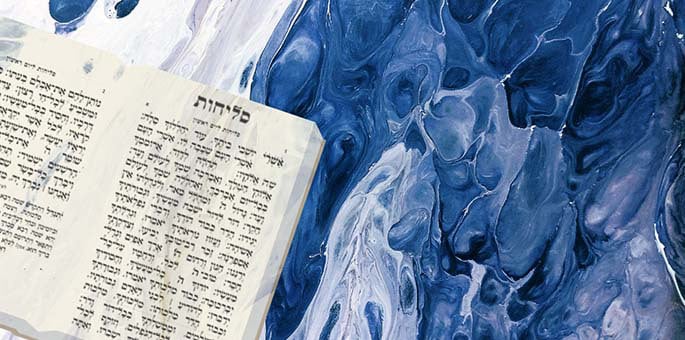
Thanks to the generosity of Kehot Publication Society, Chabad.org is pleased to share with you a free PDF download of the Hebrew-English text of Selichot for the first night (this year, early morning, Sunday, Sept. 6).
Featuring the Hebrew text alongside an English translation, this new online resource makes it easy to follow and understand the prayers as we prepare for the High Holidays.
We wish to thank our partners at Kehot Publication Society for generously sharing the text with our readers.
With wishes for a sweet new year,
Your Friends at Chabad.org
To download the Selichot, click here.
More Selichot Resources
Here are some additional Selichot resources from Chabad.org and Kehot:
- Selichot in the Siddur app: Get Set for Selichot With Our Smart Siddur, featuring the complete Selichot texts seamlessly integrated into the prayer service.
- Get your own Selichot: Purchase the printed Hebrew-English Selichot from Kehot Publication Society.
- Full Selichot PDF: You can download a PDF with the Selichot for all the days (Hebrew only) here.
- Watch Selichot with the Rebbe: Experience the unique atmosphere of Selichot with the Rebbe.
- Learn the Selichot melodies: Listen to a recording of the first night Selichot prayers to help familiarize yourself with the traditional chants.
- Learn about Selichot: Read What Are Selichot? for an overview of the prayers, their meaning, customs, and unique schedule.
For more articles, videos, stories, and resources, see here.
- Remembering Rabbi Zvi Kogan, Two Years After His Murder
Thursday, October 29, 2026 - 4 Super-Powerful Moments From Pegisha
Monday, October 26, 2026 - 8 Ways to ‘Live With the Times’ as the Torah Begins Anew
Thursday, October 08, 2026 - First We Light, Then We Dance
Tuesday, September 15, 2026 - Under the Stars, We Light
Monday, September 14, 2026 - Enter the Holiest Day With Light
Monday, September 14, 2026 - The Most Accurate Online English Rambam Yet Is Here!
Thursday, September 10, 2026 - Begin the Year With Light!
Tuesday, September 08, 2026 - We Saved a Seat for You
Friday, September 04, 2026 - Hebrew-English Selichot Now Available Online!
Thursday, September 03, 2026 - Subscribe

- Chabad.org (61)